Blog
Published on: 10/06/2026
Types of Teeth and What Do They Do?
Your teeth do a lot more than help you smile — they allow you to chew food properly, speak clearly, and maintain the natural shape of your face. Most adults have 32 permanent teeth, and each one has a specific job. In this article, you will learn about the four main types of teeth — incisors, canines, premolars, and molars — what each of them does, common dental problems that affect them, and simple tips to keep your teeth healthy for life. If you need professional dental advice, the team at Winning Smiles Dentists is always here to help.
How Many Teeth Do Adults Have?
Most adults have a total of 32 permanent teeth, which replace the primary or baby teeth that fall out during childhood. This full set of adult teeth usually comes through completely by your late teens or early twenties, and it includes your wisdom teeth, which are also called third molars. However, not everyone’s wisdom teeth will erupt or come through properly, and in many cases a dentist may recommend removing them.
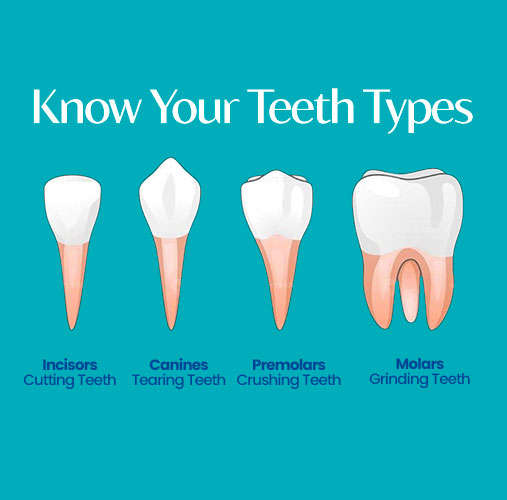
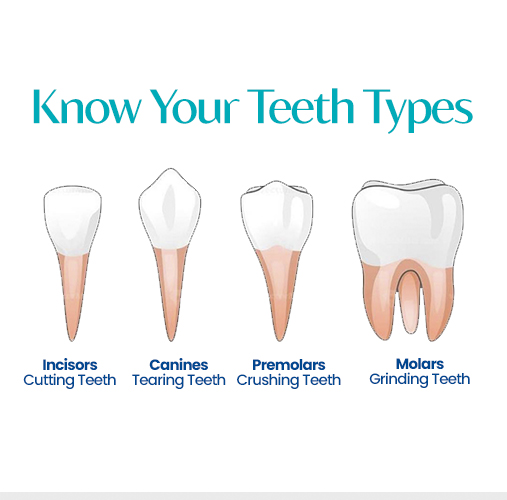
Your 32 teeth are divided into four main groups — incisors, canines, premolars, and molars. Each group is positioned differently in your mouth and performs a different function when you eat and speak. Understanding what each tooth does can help you take better care of your overall oral health.
 Types of Teeth and Their Functions
 Types of Teeth and Their Functions
Incisors — Cutting Teeth
Your incisors are the eight flat and slightly sharp teeth located right at the front of your mouth — four on the top and four on the bottom. These are usually the first teeth you see when someone smiles. Their primary job is to bite into food and cut it into smaller pieces before the rest of your teeth take over. When you bite into a piece of fruit or a sandwich, your incisors are doing that first important cut. Because they sit right at the front of your mouth, they are also important for the way you pronounce certain words and sounds clearly.
Canines — Tearing Teeth
Your canines are the four slightly pointed teeth that sit directly next to your incisors — one on each side of both your upper and lower jaw. They are longer and sharper than your incisors, which makes them excellent at gripping and tearing tougher foods such as meat or raw vegetables. Your canines also play an important role in guiding your bite, which means they help your upper and lower teeth come together properly when you close your mouth. Without them, chewing certain foods would be much harder.
Premolars — Crushing Teeth
Your premolars, also called bicuspids, are the eight teeth located between your canines and your molars — four on the top and four on the bottom. They have a broader, flatter surface than your canines, which makes them well suited for crushing and breaking down food into smaller and more manageable pieces. After your incisors and canines do the initial cutting and tearing, your premolars take over and continue the process of breaking food down before it reaches your molars. They act as a bridge between the front teeth and the back teeth, playing an essential role in efficient chewing.
Molars — Grinding Teeth
Your molars are the large, flat teeth at the very back of your mouth. Most adults have up to twelve molars in total, including four wisdom teeth. Their wide, grooved surfaces are designed to grind food down thoroughly so that it becomes soft enough to swallow safely and digest properly. Molars handle the greatest amount of chewing force of all your teeth, which is why they are built to be broad and strong. If your molars are damaged or missing, it can make eating certain foods very difficult and uncomfortable.
Common Dental Issues That Affect Your Teeth
Tooth Decay and Cavities
Tooth decay happens when bacteria in your mouth feed on the sugars from food and drink, and then produce acids that slowly damage your tooth enamel. Over time, this damage leads to small holes in the teeth called cavities. If tooth decay is left untreated, it can progress deeper into the tooth and reach the nerve, which causes significant pain and can lead to infection or even tooth loss. Regular dental check-ups allow your dentist to detect decay early before it becomes a serious problem.
Tooth Sensitivity
Sensitivity is a sharp or uncomfortable feeling in a tooth when it comes into contact with something hot, cold, sweet, or acidic. It is usually a sign that the outer layer of your tooth, called enamel, has worn down, or that the root of the tooth has become exposed due to gum recession. Tooth sensitivity should never be ignored because it often indicates an underlying issue that needs professional dental attention.
Tooth Wear From Grinding (Bruxism)
Bruxism is the habit of clenching or grinding your teeth, which often happens at night during sleep or during moments of stress. Over time, this grinding wears down your tooth enamel, causes small cracks in the teeth, and can lead to jaw pain, headaches, and stiffness in the jaw muscles. A dentist can fit you with a custom mouthguard to protect your teeth from further damage caused by grinding.
Misalignment
Misalignment means that your teeth do not sit in the correct position when your mouth is closed. This can affect the way you bite and chew, put uneven pressure on specific teeth, and even contribute to jaw pain or temporomandibular joint (TMJ) disorder over time. Orthodontic treatment options such as braces or clear aligners can correct misalignment and improve both your oral health and your overall comfort.
Tips to Keep Your Teeth Healthy
Brush your teeth twice a day using a soft-bristled toothbrush and a fluoride toothpaste, using gentle circular motions for at least two minutes each time to make sure all tooth surfaces are cleaned thoroughly. Floss once a day to remove plaque and food particles from between your teeth and along your gumline, where your toothbrush cannot reach.
Reduce your intake of sugary foods and drinks, as sugar feeds the bacteria that cause tooth decay and gum disease. Visit your dentist every six months for a professional clean and routine check-up, even if you have no pain or obvious dental concerns, because many problems are easier and less costly to treat when they are caught early.
When Should You See a Dentist?
You should see a dentist if you experience tooth pain or discomfort that does not go away on its own, as this can be a sign of decay, damage, or infection. Bleeding, red, or swollen gums are early warning signs of gum disease and should be assessed by a dental professional as soon as possible.
If you find it painful or difficult to chew or open your mouth, a bite or jaw issue could be the cause and needs proper evaluation. Even if you feel completely fine, routine dental visits every six months are strongly recommended to keep your teeth and gums in good health.
The team at Winning Smiles Dentists is committed to supporting patients of all ages with personalised care and expert guidance — book your appointment today and take the first step towards a healthier, more confident smile.
Conclusion
Each of your teeth whether it is an incisor, canine, premolar, or molar — plays a specific and important role in helping you eat, speak, and stay healthy. When you understand what your teeth do and why they matter, it becomes much easier to take proper care of them every day.
Simple habits like brushing, flossing, eating well, and visiting your dentist regularly can make a significant difference to your long-term oral health. Catching any issues early means they are far easier to treat, and can prevent more serious problems from developing down the track.
Frequently Asked Questions
- How many types of teeth do adults have?
Adults have four types of teeth — incisors, canines, premolars, and molars — with a full set totalling 32 teeth including wisdom teeth. Each type has a different shape and performs a different job when you chew and speak. - What do molars do?
Molars are the large back teeth that grind food down into small, soft pieces so it can be swallowed and digested properly. They handle the most chewing force of all your teeth and are essential for breaking down tough or chewy foods. - Why are front teeth important?
Your front teeth the incisors and canines — bite and tear food into smaller pieces and also help you pronounce words and sounds clearly. They also contribute significantly to the appearance of your smile and the natural shape of your face. - How can I keep my teeth healthy?
Brush twice daily with fluoride toothpaste, floss once a day, limit sugary foods and drinks, and visit your dentist every six months for a check-up and professional clean. Staying consistent with these simple habits is the most effective way to protect your teeth long term.
Disclaimer: The information in this blog is for general educational purposes and may not suit every individual’s needs. Dental situations and health fund benefits can vary. For personalised advice or treatment recommendations, please consult a qualified dental professional.