Blog
Published on: 11/04/2026
Professional Teeth Whitening vs At-Home Whitening Kits
A bright, white smile does more than just look good — it boosts your confidence and makes you feel comfortable in social and professional settings. Over time, teeth can become stained or discoloured due to everyday habits like drinking coffee or tea, smoking, eating certain foods, or simply getting older. Thankfully, teeth whitening has become one of the most popular and accessible cosmetic dental treatments available today. But with so many options out there, how do you know which one is right for you?
In this article, we break down the key differences between professional teeth whitening and at-home whitening kits, so you can make a safe and informed decision. If you need personalised advice, the team at Winning Smiles Dental Surgery is always here to help.
Can Stained or Yellow Teeth Actually Be Whitened?
Yes, absolutely they can!
Whether your teeth are mildly discoloured or heavily stained, there are effective whitening options available. These include professional in-chair teeth whitening performed by a dentist, as well as take-home whitening kits available from stores or prescribed by your dentist.
The type of treatment and number of sessions required will depend on the severity and underlying cause of your discolouration.
What Causes Teeth to Become Stained or Discoloured?
Teeth discolouration is more common than you might think, and most causes are part of everyday life. Some of the most frequent reasons include:
- Coffee, tea, and red wine — these drinks leave dark stains on the enamel over time
- Smoking or tobacco use — causes yellow or brown discolouration
- Ageing — naturally thins the enamel, revealing the yellow layer underneath
- Certain medications — can affect tooth colour from the inside
- Poor oral hygiene — not brushing and flossing regularly allows plaque and stains to build up
- Genetics — some people are naturally more prone to discolouration
Daily brushing and flossing can help manage surface stains, but some level of discolouration is completely normal at any age.
What Is the Best Treatment to Whiten Teeth?
Finding the best teeth whitening treatment really comes down to your personal goals, lifestyle, and oral health needs. Both in-chair and take-home whitening options have their own strengths, and understanding how each one works can help you make the right choice.
In-Chair Teeth Whitening
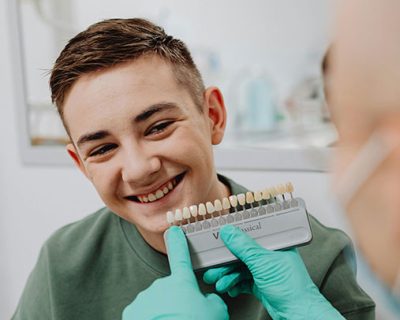
In-chair treatment is carried out at a dental clinic by trained professionals in a controlled environment. One of its biggest advantages is the speed — most patients walk away with visibly whiter teeth in a single appointment.
During the session, a high-strength bleaching gel is applied directly to the teeth. A specialised light or laser is sometimes used alongside the gel to boost the whitening effect. The full process generally takes between one and two hours, although some cases may benefit from additional sessions to reach the desired outcome.
Take-Home Teeth Whitening Kits
For those who prefer a more flexible approach, take-home whitening kits offer a practical and cost-effective alternative. Dentist-prescribed kits typically include custom-fitted trays along with a professional-grade whitening gel, applied at home following your dentist’s specific guidance.
Although the results from take-home kits develop more gradually than in-chair treatments, they allow you to whiten your teeth at your own pace and on your own schedule. This option is particularly well-suited to people with sensitive teeth, as the lower concentration gel and slower process tends to cause less discomfort.
How Much Does Teeth Whitening Cost?
The cost of teeth whitening can differ quite a bit depending on the method you choose and where you are located.
For in-chair whitening carried out by a dental professional, prices generally fall between $600 and $1,000. The final cost will depend on the level of whitening required and the complexity of your individual treatment.
If you are looking for a more budget-friendly alternative, take-home whitening kits tend to be significantly cheaper, with most options sitting in the $300 to $400 range. It is worth noting that these figures are approximate — pricing can vary between dental practices and may differ depending on your location.
Regardless of which option you choose, speaking with your dentist beforehand is always a good idea to understand exactly what is included and what results you can realistically expect.
What Are At-Home Whitening Kits and How Do They Work?
At-home whitening kits are products you can purchase from pharmacies or supermarkets to whiten your teeth yourself. There are several types available, including:
- Whitening strips — thin, sticky strips coated with whitening gel that you press onto your teeth for around 30 minutes daily
- Whitening gels and trays — gel syringes you squeeze into a soft mouth tray and wear for one to two hours or overnight
- Whitening pens — portable brush pens with gel that you paint directly onto teeth for quick touch-ups on the go
- Whitening toothpaste — mild pastes with gentle abrasives or low-level peroxide that polish surface stains with regular use
Are At-Home Whitening Kits Actually Effective?
Yes, at-home kits can be effective — particularly for mild or surface-level staining. However, results are usually slower and less dramatic compared to professional treatments. Key things to keep in mind include:
- Results may take several weeks of consistent use to become noticeable
- Whitening effects tend to be less intense than in-chair treatments
- Uneven results can occur if the product is not applied correctly
- Gum irritation is possible if trays do not fit properly or gel is overused
For light staining and gradual improvement, at-home kits are a convenient and affordable option. For deeper stains or more significant discolouration, professional treatment is likely to deliver better results.
Should I Avoid DIY Teeth Whitening Methods?
Many people turn to DIY methods found online, such as lemon juice, baking soda, or activated charcoal. While these may seem like cheap and easy solutions, they can actually cause more harm than good.
Lemon juice is highly acidic and can erode tooth enamel, increasing sensitivity and the risk of cavities. Baking soda and charcoal, when used excessively, can scratch and damage enamel and irritate the gums. These methods may also worsen discolouration in the long run.
The safest and most effective approach is always to have your teeth whitened by a qualified dental professional, or to use dentist-approved products.
How Long Do Teeth Whitening Results Last?
Results from teeth whitening can vary depending on your lifestyle, diet, and oral hygiene habits. In general, professional whitening results can last anywhere from several months to a few years.
To maintain your results for as long as possible:
- Brush your teeth twice a day and floss regularly
- Limit staining drinks such as coffee, tea, and red wine
- Avoid smoking or tobacco products
- Visit your dentist for regular check-ups and cleans
- Ask your dentist about touch-up treatments when needed
If you are unsure, it is always best to consult a dental professional. The team at Winning Smiles Dental Surgery can assess your teeth and recommend the most suitable option for you.
Conclusion
Both professional teeth whitening and at-home whitening kits can help you achieve a brighter smile — it simply comes down to your needs, budget, and desired results. Professional whitening delivers faster, more controlled outcomes under expert supervision, while at-home kits offer a convenient and affordable route to gradual improvement.
Before starting any whitening treatment, it is always best to speak with a dental professional to ensure the approach is safe and suitable for your teeth. The team at Winning Smiles Dental Surgery is here to guide you through your options and help you achieve a confident, healthy smile. Contact us today to book your consultation.
Frequently Asked Questions
- Is professional teeth whitening safer than at-home kits?
Yes, professional whitening is generally safer because it is performed under the supervision of a dentist, who protects your gums and monitors the process.
- How long do teeth whitening results usually last?
Results can last from several months to a few years, depending on your lifestyle and oral care habits.
- Can teeth whitening damage tooth enamel?
When done correctly, teeth whitening does not damage enamel. However, overuse of products, especially at home, may cause sensitivity.
- Are at-home whitening kits effective?
Yes, at-home kits can be effective for mild staining. However, results are usually slower and less noticeable compared to professional treatments.
Disclaimer: The information in this blog is for general educational purposes and may not suit every individual’s needs. Dental situations and health fund benefits can vary. For personalised advice or treatment recommendations, please consult a qualified dental professional.