Blog
Published on: 13/07/2026
What Dental Services Does Medicare Cover in Australia?
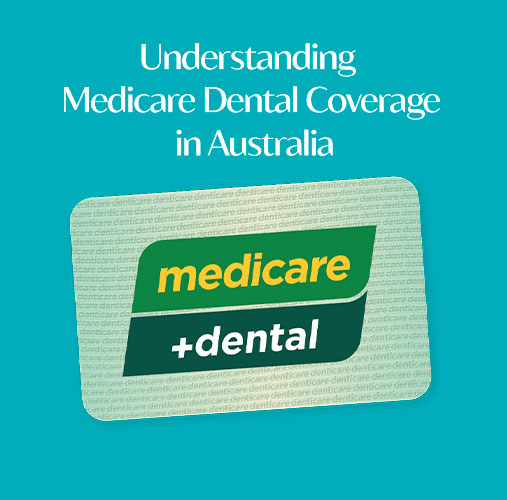
Many Australians assume their Medicare card will cover dental treatment in the same way it covers visits to a GP or public hospital. However, dental care works differently. While Medicare provides access to a wide range of healthcare services, routine dental treatment for adults is generally not included under standard Medicare.
This often creates confusion about what is covered, who qualifies for government-funded dental care, and what options are available if Medicare doesn’t apply. Understanding these rules can help you plan your dental treatment and avoid unexpected costs.
Although most routine adult dental services aren’t covered, eligible children may receive financial assistance through the Child Dental Benefits Schedule (CDBS). In some cases, Medicare may also contribute towards dental treatment performed in a hospital as part of broader medical care. So what exactly is covered and what’s not? Time to find out!
Does Medicare Cover Dental Treatment for Adults?
For most adults, the answer is no. Standard Medicare generally doesn’t cover routine dental services such as check-ups, fillings, or teeth cleaning. Unlike visits to your GP, dental treatment is usually funded separately through private dental clinics, private health insurance, or public dental programs for eligible patients.
This often surprises people because oral health is closely linked to overall health. However, Australia’s healthcare system has traditionally treated dentistry as a separate service, meaning most adults are responsible for the cost of routine dental care unless they qualify for another government-funded program.
Treatments not covered by standard Medicare for adults:
The following treatments are generally not covered under standard Medicare for adults:
- Routine dental examinations and check-ups
- Professional teeth cleaning
- Dental fillings
- Root canal treatment
- Tooth extractions
- Crowns, bridges and dentures
If you’re planning any of these treatments, it’s worth discussing payment options with your dentist before proceeding.
What Dental Services May Be Covered by Medicare?
The main dental program funded through Medicare is the Child Dental Benefits Schedule (CDBS). It’s helps eligible families access essential dental care for children by providing financial assistance towards a range of preventive and basic restorative treatments. The program aims to encourage regular dental visits from an early age, helping prevent dental problems before they become more serious. The available benefit is capped over a two-year period, with eligibility determined by Services Australia.
Services usually covered under the CDBS:
For eligible children, the CDBS may help cover services such as:
- Dental examinations
- Professional teeth cleaning
- Dental X-rays
- Fissure sealants
- Fillings
- Tooth extractions
The scheme focuses on essential dental care and preventive treatment. Cosmetic procedures and orthodontic treatment are generally not included.
Who Is Eligible for the Child Dental Benefits Schedule?
Basic Eligibility Requirements
A child may be eligible for the CDBS if they:
- Are between 2 and 17 years of age for at least one day during the calendar year.
- Are eligible for Medicare.
- Belong to a family receiving certain government benefits.
Meeting all eligibility requirements is important, as simply having a Medicare card doesn’t automatically qualify a child for the program.
How Parents Can Check Eligibility
Checking eligibility is straightforward. Parents can confirm their child’s eligibility through their myGov account linked to Medicare, by using Medicare online services, or by contacting Services Australia directly. Many dental clinics can also assist families by checking eligibility before booking treatment, helping parents understand what services may be covered and whether any benefit remains available.
Can Medicare Cover Dental Treatment in a Hospital?
Hospital-Based Dental Procedures
Although Medicare generally doesn’t cover routine dental treatment for adults, there are limited situations where assistance may be available if dental care is provided in a hospital.
This usually applies when the dental procedure forms part of a broader medical treatment or involves complex oral surgery performed in a hospital environment rather than a standard dental clinic.
Situations Where Assistance May Apply
Depending on your circumstances, Medicare may contribute towards treatment involving:
- Serious facial or dental trauma.
- Certain oral surgical procedures performed in hospital.
- Dental treatment that forms part of managing another medical condition.
Whether Medicare applies depends on the medical reason for treatment rather than the dental procedure itself. If you’re unsure whether your treatment may qualify, your dentist or specialist can explain the funding arrangements before your procedure.
What Are Your Options If Medicare Doesn’t Cover Dental Care?
If Medicare doesn’t cover your dental treatment, you still have several options to help make care more affordable. The right choice depends on your budget, eligibility, and the type of treatment you need.
Private Health Insurance
Many Australians choose private health insurance with extras cover to reduce their out-of-pocket dental expenses. Depending on your policy, extras cover may contribute towards routine check-ups, cleans, fillings, major dental work, and other treatments. As benefits vary between insurers, it’s worth checking what your policy includes before booking treatment.
Payment Plans and Flexible Finance Options
Some dental clinics offer payment plans or flexible finance solutions that allow patients to spread the cost of treatment over time. This can make larger procedures more manageable without delaying important dental care.
Public Dental Services
State and territory governments also provide public dental services for eligible patients, including some adults holding concession cards or receiving certain government benefits. Eligibility requirements, available services, and waiting times vary depending on where you live.
Why Regular Dental Care Is Important
Even if Medicare doesn’t cover routine dental treatment, regular dental visits remain one of the best investments in your long-term oral health. Routine check-ups allow your dentist to detect problems such as tooth decay, gum disease, and worn fillings before they become more complex and expensive to treat. Professional cleans also remove plaque and tartar that regular brushing can’t eliminate, helping reduce the risk of cavities and gum disease.
Preventive care often means simpler treatment, lower long-term costs, and a healthier smile. By attending regular dental appointments, many patients can avoid more extensive procedures in the future.
How Winning Smiles Dentists Can Help
patient. Our team provides comprehensive preventive, restorative, and general dental services designed to help patients maintain healthy smiles at every stage of life.
Before beginning treatment, we explain your options clearly so you understand the recommended care and associated costs. If you’re unsure about Medicare, private health insurance, or available payment options, we’re happy to guide you through the process and help you choose a solution that suits your needs.
Our focus is on delivering personalised care that supports your long-term oral health. To book an appointment or speak with our friendly team, contact your nearest Winning Smiles clinic:
- Bella Vista:02 9622 3333
- Denham Court:02 9157 1000
- Galston:02 9161 1199
Frequently Asked Questions
Does Medicare cover dental check-ups for adults?
No. Routine dental check-ups for adults are generally not covered under standard Medicare.
What dental services are covered under the Child Dental Benefits Schedule?
Eligible children may receive benefits for dental check-ups, professional cleaning, X-rays, fissure sealants, fillings, and tooth extractions.
Can Medicare cover wisdom tooth removal?
Routine wisdom tooth removal is generally not covered. However, Medicare may contribute if the procedure is performed in a hospital as part of medically necessary treatment.
What should I do if Medicare does not cover my dental treatment?
You can explore private health insurance, payment plans, public dental services if you’re eligible, or speak with your dentist about the most suitable payment options available.
This article provides general information only and isn’t a substitute for advice from Services Australia or your dentist about your specific circumstances. Medicare and CDBS rules can change — confirm current details at servicesaustralia.gov.au before making treatment decisions.