Blog
Published on: 09/01/2026
Oral Health Tips for Busy People
Life today moves very fast. Between work, school, family, travel, and daily responsibilities, many people struggle to find time for themselves. When life gets busy, oral hygiene is often one of the first things pushed aside. Skipping brushing, rushing flossing, or delaying dental visits may seem harmless at first, but these habits can quickly lead to dental problems.
Even small daily oral care habits play a big role in preventing cavities, gum disease, bad breath, and long-term dental issues. Looking after your teeth is not only important for a bright, confident smile—it also supports your overall health and wellbeing.
This blog is designed especially for busy people and families. It shares simple, time-saving oral health tips that are easy to follow, even on the busiest days. With the right habits and a little planning, you can keep your teeth and gums healthy without adding stress to your schedule.
 Why Oral Hygiene Matters Even When You’re Busy
 Why Oral Hygiene Matters Even When You’re Busy
Skipping daily oral care may save a few minutes, but it can cost you much more in the long run. Plaque, a sticky layer of bacteria, starts forming on your teeth every day. If it is not removed, it hardens into tartar, which brushing alone cannot remove.
When plaque and tartar build up, they can cause:
- Tooth decay (cavities)
- Gum disease
- Bad breath
- Tooth sensitivity
- Infections that may require complex treatment
Your mouth is also closely connected to your overall health. Poor oral hygiene has been linked to:
- Heart health problems
- Worsening diabetes control
- Digestive issues
- A weakened immune system
People with hectic routines often experience more dental problems because of stress, rushed meals, sugary snacks, and missed brushing. Keeping your teeth and gums healthy helps protect your whole body, not just your smile.
Quick Daily Habits That Make a Big Difference
Good oral health does not require hours of effort. Just a few minutes a day, done consistently, can prevent most dental problems. Even on busy days, these small habits make a big difference over time.
Never Skip Brushing and Flossing
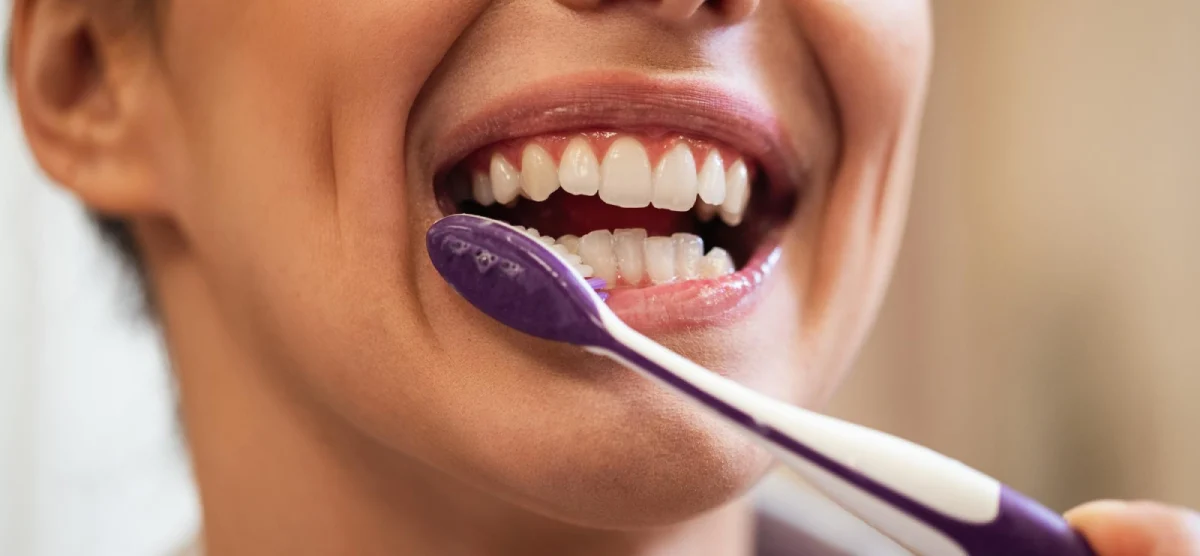
Brushing and flossing should always be a top priority, no matter how busy your day is. Brushing twice a day and flossing once a day removes plaque before it turns into tartar and causes damage.
Time-efficient brushing tips:
- Brush for two full minutes
- Use gentle, circular motions
- Avoid scrubbing, which can damage enamel and gums
- Focus on all surfaces of your teeth
Use a soft-bristle toothbrush and fluoride toothpaste. Fluoride strengthens tooth enamel and helps prevent cavities, making it essential for daily use.
Electric toothbrushes are a great option for busy people. They clean more effectively with less effort and often include timers to ensure you brush long enough.
Keep Travel-Friendly Dental Essentials
Having dental tools nearby makes it easier to stay consistent, even when you’re not at home. A small, travel-friendly dental kit can fit easily into your bag, car, or office drawer.
Your kit should include:
- A travel-size toothbrush
- Toothpaste
- Floss or floss picks
- Mouthwash
- Sugar-free gum (especially xylitol gum)
Post-meal freshness tips:
If brushing isn’t possible, rinse your mouth with water to remove food particles. Chewing sugar-free gum helps increase saliva, which naturally washes away bacteria and lowers the risk of cavities.
Smart Choices During a Busy Day
What you eat and drink during the day affects your teeth just as much as brushing.
Stay Hydrated Throughout the Day
Drinking water regularly helps wash away food particles, reduce harmful bacteria, prevent dry mouth, and keep your breath fresh. Saliva plays an important role in protecting your teeth, and when your mouth is dry, bacteria can grow more easily, increasing the risk of tooth decay and bad breath.
Benefits of fluoride in tap water:
- Strengthens tooth enamel
- Reduces cavity risk
- Supports long-term oral health
Choose Teeth-Friendly Snacks
Sugary and starchy snacks feed harmful bacteria in your mouth, which produce acids that attack tooth enamel. Frequent snacking on sweets increases the risk of cavities.
Better snack options include:
- Nuts
- Cheese
- Apples
- Carrots
- Yoghurt
These foods are less harmful to teeth and can even help clean tooth surfaces naturally. Preparing healthy snacks in advance makes it easier to make good choices when you’re busy.
Quick On-the-Go Hygiene Boosters
Good oral hygiene doesn’t stop just because you’re away from home. Simple habits can help protect your teeth throughout the day.
Easy on-the-go tips:
- Rinse your mouth with water after meals
- Chew sugar-free gum
- Use floss picks when food gets stuck
- Keep a travel dental kit ready at all times
These small actions help reduce plaque build-up and keep your mouth clean between brushings.
Use Mouthwash for Extra Protection
Mouthwash is a helpful addition to your oral care routine, especially when you’re busy. It reaches areas brushing may miss and provides extra protection.
Benefits of mouthwash include:
- Fluoride protectionto strengthen enamel
- Antibacterial actionto reduce plaque and gum disease
- Fresh breaththroughout the day
Choose an alcohol-free mouthwash, as alcohol can dry out your mouth and increase bacteria growth. Travel-size bottles are easy to carry and use anywhere.
Use Technology to Support Your Oral Hygiene
Technology can make dental care easier and more consistent.
Helpful tools include:
- Phone reminders for brushing and flossing
- Apps that track brushing time and habits
- Smart toothbrushes that monitor pressure and technique
These tools are especially helpful for busy adults and families who want to stay on track with their oral hygiene routine.
Managing Stress to Protect Your Teeth
Stress doesn’t just affect your mind—it can also harm your teeth. Many people grind or clench their teeth when stressed, often without realising it.
Signs of teeth grinding include:
- Jaw pain or tightness
- Headaches
- Worn or cracked teeth
- Tooth sensitivity
Nightguards for Protection
Winning Smiles Dental Surgery offers custom-made nightguards to protect your teeth from grinding damage. A properly fitted nightguard reduces pressure on your jaw, prevents tooth wear, and improves comfort while you sleep.
Don’t Skip Your Regular Dental Check-Ups
Regular 6-Month Check-Ups
Even if your teeth feel fine, regular dental check-ups every six months are essential. These visits allow dentists to detect problems early, before they become painful or expensive to treat.
Delaying Visits
Busy schedules often lead people to delay dental appointments. Unfortunately, small issues can quickly turn into major dental problems when left untreated, sometimes requiring surgery or complex care.
Early Detection
Finding problems early saves time, money, and discomfort. Early treatment helps protect your teeth and prevents long-term damage.
Conclusion
Simple daily oral hygiene habits play a powerful role in protecting your teeth and overall health. Even with a busy lifestyle, staying consistent with brushing, flossing, smart food choices, and regular dental visits can prevent serious dental problems.
Looking after your teeth doesn’t need to be complicated. With a few minutes each day and the right support, you can maintain a healthy, confident smile for life.
Ready to protect your smile? Book your appointment at Winning Smiles Dental Surgery today.
Frequently Asked Questions
- How can I maintain good oral hygiene when I have a busy schedule?
Use travel-friendly dental essentials, set reminders, and focus on simple daily habits like brushing, flossing, and rinsing with water after meals. - Is it okay to skip brushing if I’m running late?
Skipping brushing allows plaque to build up quickly. Even a quick brush is better than none, and travel dental kits help when you’re short on time. - What are the best on-the-go dental care products to keep in my bag or car?
A toothbrush, toothpaste, floss, mouthwash, and sugar-free xylitol gum are ideal for on-the-go oral care. - How often should busy people visit the dentist for a check-up?
Every six months. Regular check-ups help prevent problems and save time and money in the long run.
Disclaimer: The information in this blog is for general educational purposes and may not suit every individual’s needs. Dental situations and health fund benefits can vary. For personalised advice or treatment recommendations, please consult a qualified dental professional.